
What Is AAC?
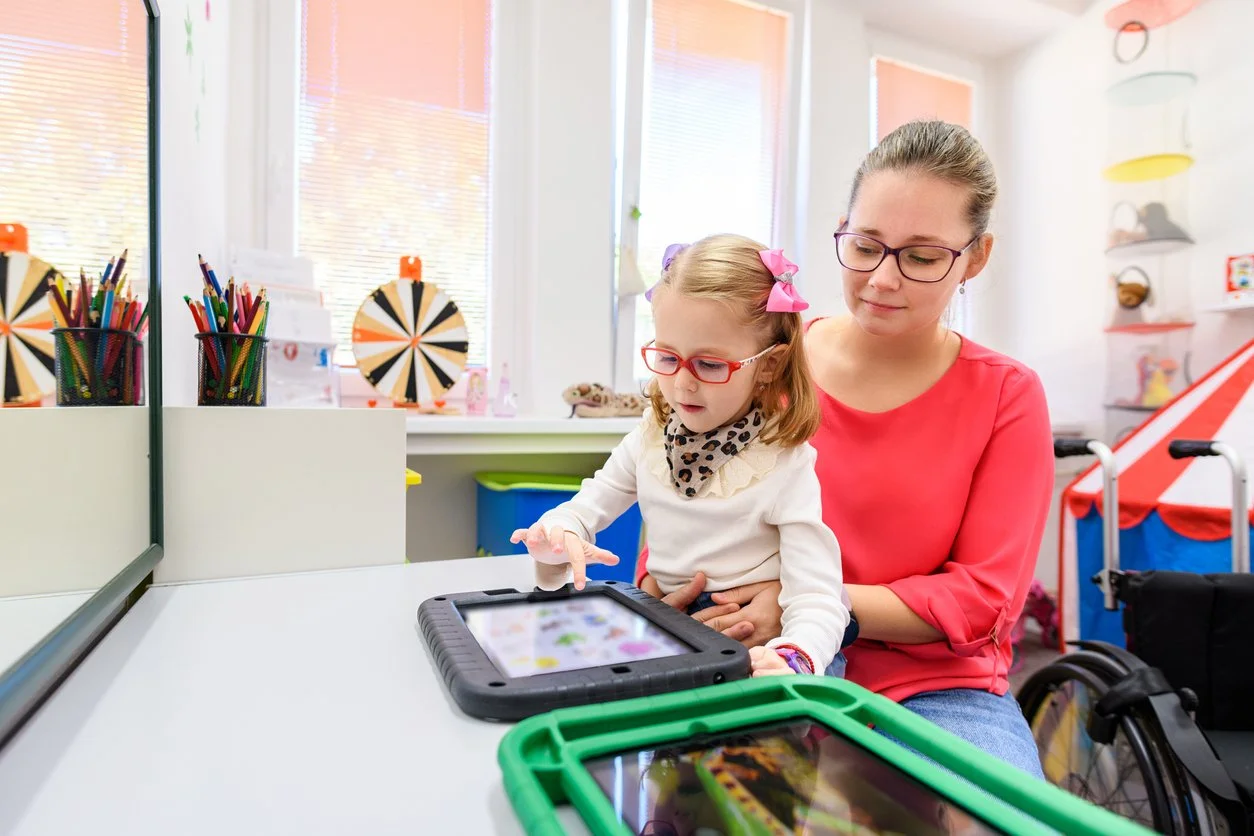
AAC stands for Augmentative and Alternative Communication.
AAC includes all forms of communication outside of spoken speech alone.
AAC can include:
Key word sign
Gestures
Communication boards
Picture systems
Speech-generating devices
AAC apps
Popular AAC apps include:
Who Can Benefit From AAC?
AAC can support children who:
Are minimally speaking
Have unreliable speech
Experience motor speech difficulties
Are autistic
Have Childhood Apraxia of Speech
Experience communication frustration
AAC is not “giving up on speech.”
AAC supports communication.
Research shows AAC can support language development and participation.
What Is AAC Modelling?
AAC modelling means adults use the AAC system while talking with the child.
Children learn AAC the same way children learn spoken language: through repeated, meaningful exposure.
A newer AAC modelling framework many families are exploring is M.A.A.G.I.C. modelling, which focuses on natural, engaging communication opportunities during everyday interaction.
AAC Is About Access
Every child deserves access to communication.
AAC can provide children with a reliable way to express:
Wants and needs
Thoughts and feelings
Ideas
Humour
Opinions
Connection
Communication is a human right.