
How To Support Predictability In Your Child’s Day
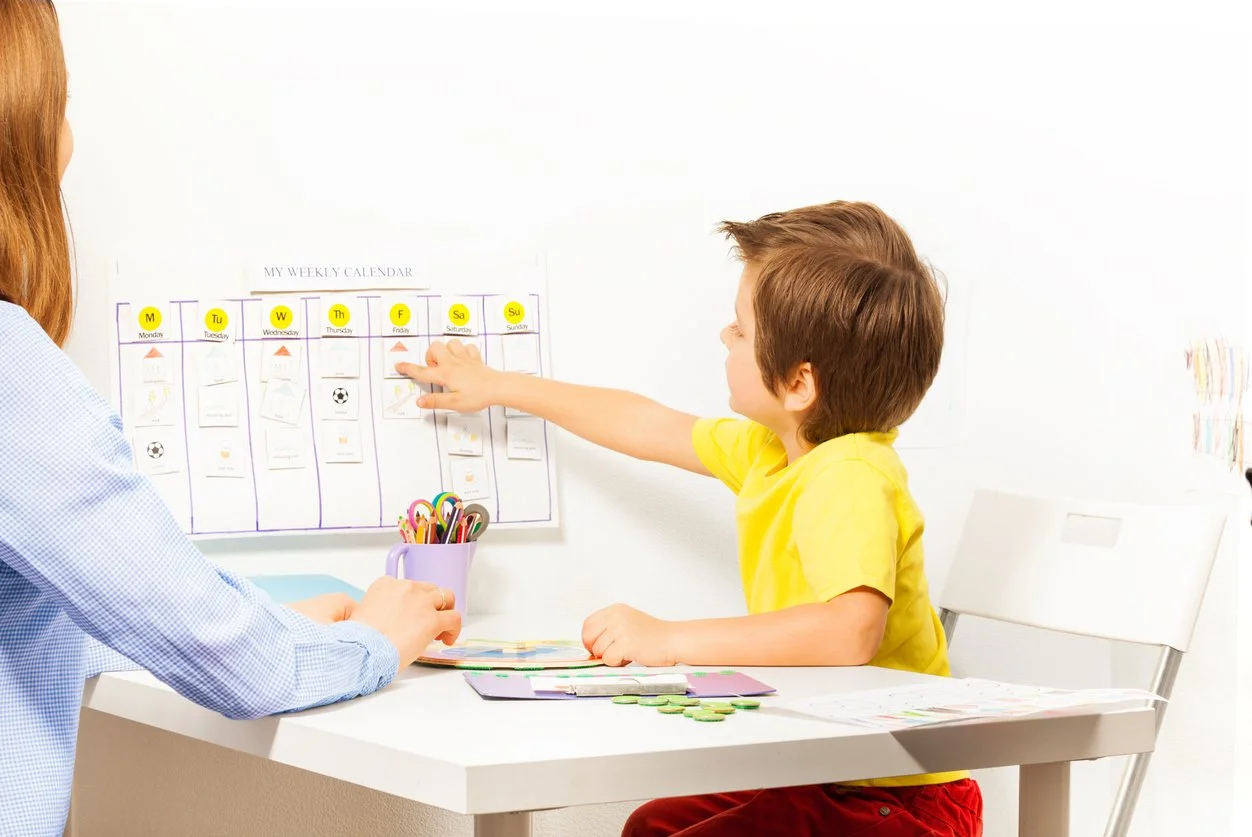
Many children benefit from predictability and visual supports.
Knowing what is happening next can reduce anxiety, support regulation, and increase independence.
One helpful support is a visual timetable.
What Is A Visual Timetable?
A visual timetable uses pictures, symbols, photos, or words to show the order of activities throughout the day.
Visual timetables can support:
Transitions
Emotional regulation
Independence
Understanding routines
Reduced anxiety
Communication
Why Visual Supports Help
Many children process visual information more easily than spoken information.
Visual supports reduce the need to hold verbal instructions in working memory.
They also make routines feel more predictable and manageable.
Ways To Use Visual Timetables
You can use visual supports for:
Morning routines
School transitions
Bedtime routines
Therapy sessions
Toileting routines
Community outings
First/then supports
Visual schedules do not need to look perfect. Simple, consistent visuals are often most effective.