
Why Do We Honour Unique Play Styles?
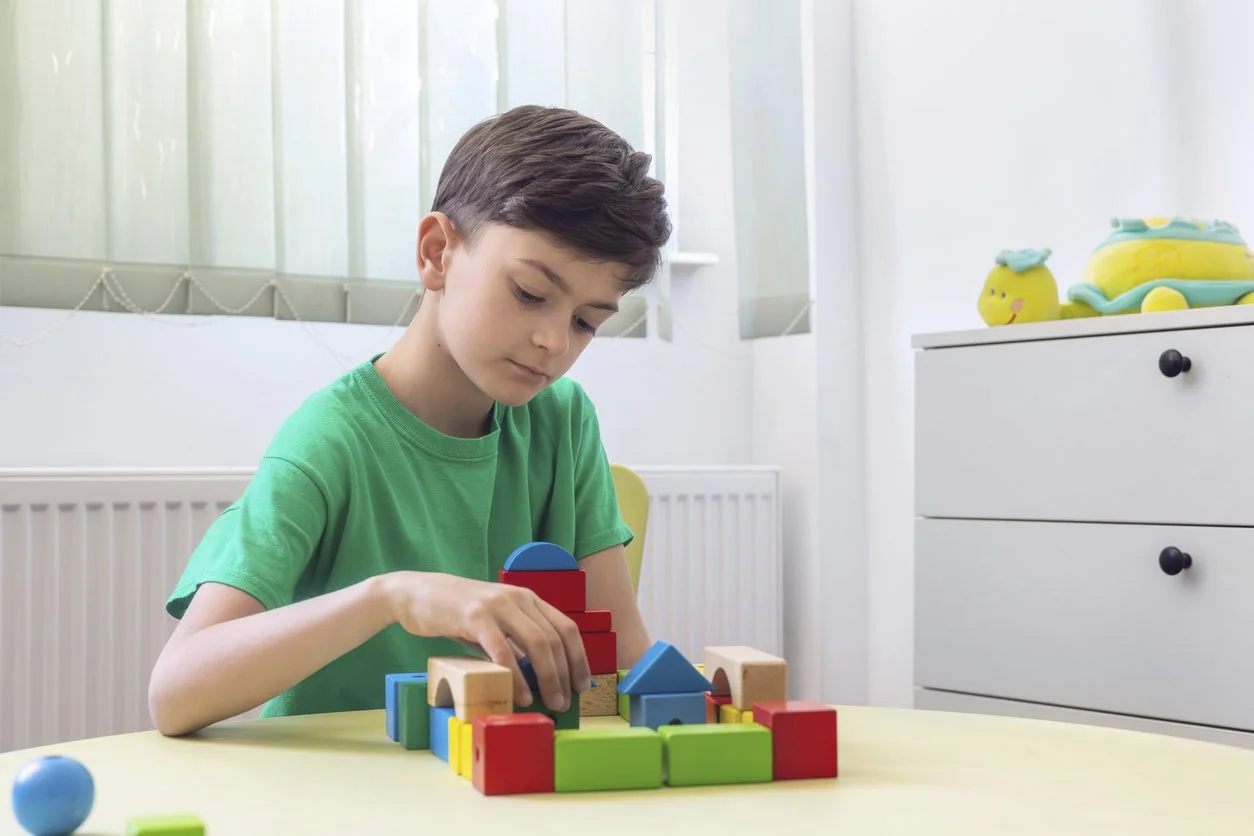
Play is communication.
Children play in many different ways, and all play styles can provide important information about regulation, interests, communication, learning, and connection.
Some children enjoy:
Pretend play
Repetitive play
Sensory play
Movement-based play
Lining up toys
Deep dives into interests
Watching rather than joining immediately
A neurodiversity-affirming approach recognises that there is not one “correct” way to play.
Why Following A Child’s Interests Matters
Children are more likely to engage, communicate, and connect when therapy incorporates their interests.
Honouring play styles can support:
Regulation
Attention
Joint engagement
Communication opportunities
Emotional safety
Learning readiness
What Does Play-Based Speech Therapy Look Like?
Play-based therapy may involve:
Sensory play
Books and storytelling
Figurines and pretend play
Movement activities
Construction toys
Craft and creative tasks
Games
Child-led interests
Play is not “just playing.”
It is often where children feel safest to communicate, experiment, and connect.