
What Does a Paediatric Speech Pathologist Do?
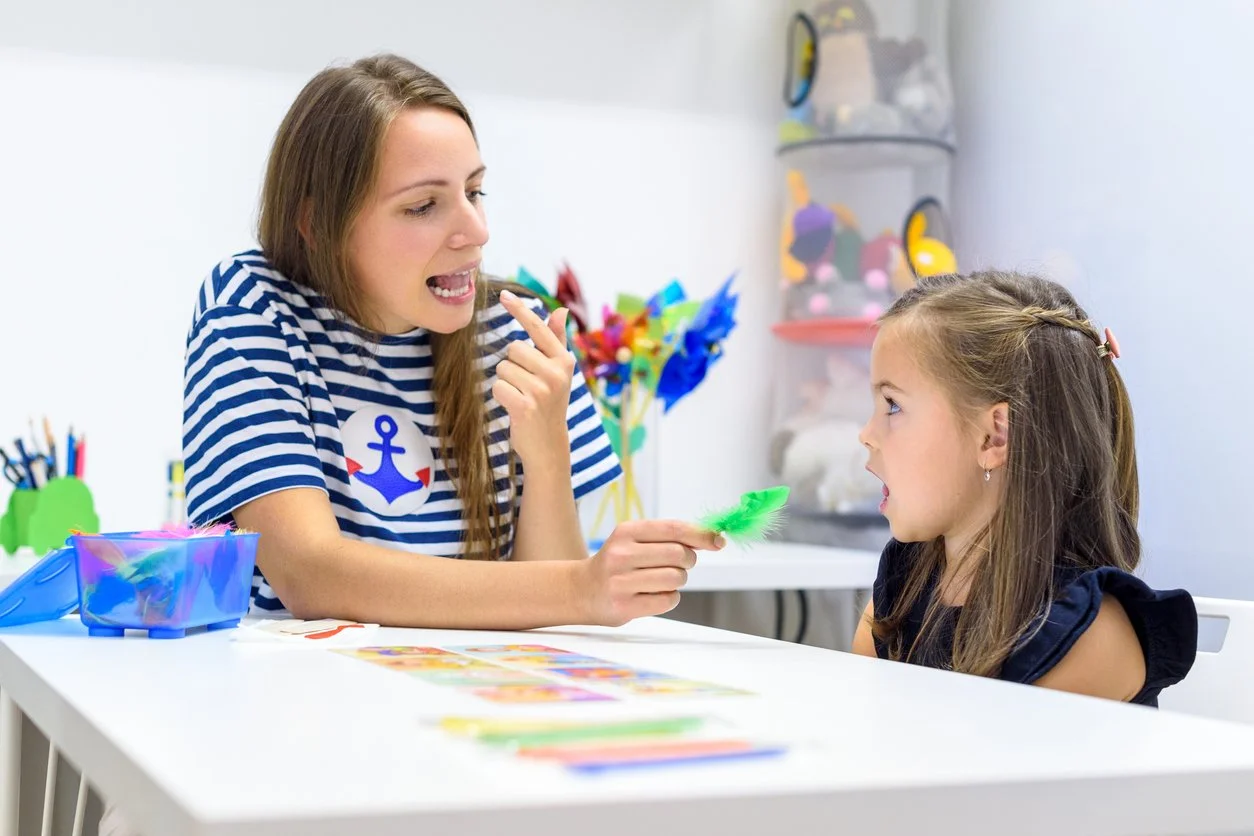
That’s a great question!
If you have found yourself searching phrases like “speech therapy for toddlers,” “does my child need speech therapy?” or “speech pathologist near me,” you are not alone. Many parents notice differences in how their child communicates, speaks, plays, learns, or connects with others and wonder whether support may help.
A paediatric speech pathologist supports children with communication. Communication includes far more than just talking. It can involve understanding language, expressing thoughts and feelings, speech sound development, literacy, social connection, stammering, feeding, play skills, AAC (Augmentative and Alternative Communication), and confidence communicating in everyday life.
At entity["organization","Speech Pathology Australia","Australia"], speech pathologists work with children in ways that are evidence-based, strengths-focused, and supportive of each child’s unique communication style.
What Areas Can a Paediatric Speech Pathologist Support?
A paediatric speech pathologist may support:
Late talking or delayed language development
Speech sound differences
Childhood Apraxia of Speech (CAS)
Stammering or stuttering
Literacy and phonological awareness
Social communication
AAC support
Feeding and oral motor development
Autism and neurodivergent communication styles
Listening and auditory processing skills
Confidence communicating at school, preschool, or home
Every child develops differently. Some children benefit from short-term support, while others may need ongoing therapy over time.
What Does Speech Pathology Look Like?
Speech therapy should feel engaging, safe, and supportive.
For younger children, therapy is often play-based. Children learn best through connection, regulation, movement and meaningful interaction. Sessions may include books, sensory play, pretend play, movement activities, games, visuals, AAC systems, or special interests.
For school-aged children, therapy may involve:
Speech sound practice
Narrative and storytelling tasks
Literacy activities
Social communication support
Emotional language
Classroom participation strategies
Confidence-building activities
A neurodiversity-affirming speech pathologist works with a child’s strengths rather than trying to make them appear “typical.”
When Should I see a Speech Pathologist?
You do not need to “wait and see” if you have concerns.
Early support can help children build confidence, communication opportunities, and supportive strategies before frustrations increase.
You may benefit from a speech pathology assessment if your child:
Is difficult for unfamiliar people to understand
Is not yet combining words
Becomes frustrated when communicating
Has difficulty understanding instructions
Shows differences in play or interaction styles
Finds literacy difficult
Stammers or repeats sounds/words frequently
Uses very scripted or repetitive language
Is not meeting communication milestones
Family-Centred Support Matters
Parents are an incredibly important part of therapy.
A strong speech pathology approach includes:
Parent collaboration
Home strategies that feel realistic
Child-led interests
Regulation and emotional safety
Respect for neurodivergent communication
Supporting communication across everyday environments
The goal is never perfection. The goal is functional, meaningful communication that supports your child to connect, participate, and thrive.