
Screen Time and Communication Development
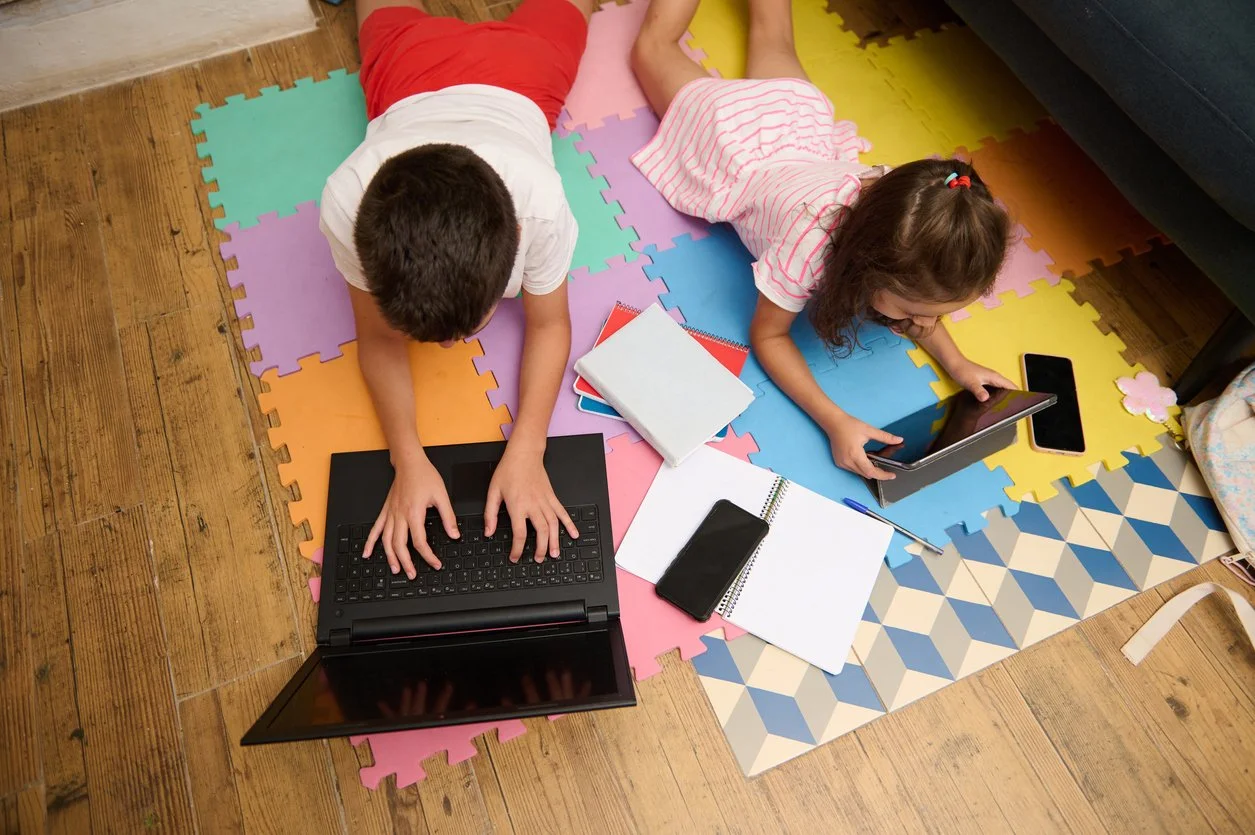
Screen time is a topic many parents feel overwhelmed by.
Modern families are navigating screens constantly, and many parents wonder:
“Is screen time actually affecting my child’s communication?”
The research is nuanced.
Not all screen time is equal.
What Does the Research Say?
Research suggests that excessive passive screen time may impact:
Back-and-forth interaction
Attention
Play development
Opportunities for conversation
Language exposure through real interaction
Children learn communication best through:
Responsive interaction
Face-to-face communication
Play
Joint attention
Real-world experiences
Communication develops through interaction, not simply exposure to words.
Current General Recommendations
General recommendations often suggest:
Avoiding screen time under 18–24 months except for video chatting
Prioritising co-viewing with adults
Limiting passive screen exposure
Focusing on quality over quantity
The most important factor is often not perfection, but balance.
What Makes Screen Time More Supportive?
More supportive screen use may include:
Watching together
Talking about what is happening
Pausing and interacting
Connecting screen content to real life
Prioritising interactive play outside of screens
What About Neurodivergent Children?
Some neurodivergent children use screens for:
Regulation
Learning
Predictability
Connection through interests
A neurodiversity-affirming approach avoids shame and instead focuses on creating healthy, supportive, realistic routines around technology use.